
Lateral Brow Lift vs. Endoscopic Brow Lift
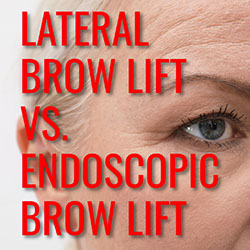
A brow lift is a plastic surgical procedure that is meant to improve both the position and shape of aging or sagging eyebrows. Various surgical approaches are available, depending on the gender of the patient, the amount of elevation required and the surgeon’s and patient’s preference.
Some misconceptions are that:
- The whole brow gets lower with age
- An elevated brow is always more attractive.
When to Consider a Neck Lift?
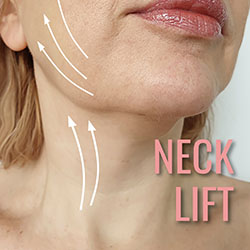
A neck lift is a plastic surgical procedure that improves aging changes in the neck such as sagging skin, excess fat, and muscle bands and aims to improve the definition of the jawline. A neck lift is a standard part of most facelifts or can be performed by itself.
Difference Between Deep Plane Facelift and other Facelift
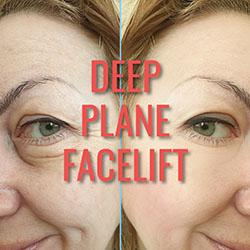
A deep plane facelift is a variant of the standard facelift. Like any facelift, it is designed to improve the appearance of the face and neck. The anatomy of the face is arranged in layers and facelift techniques are categorized based on how those layers are manipulated during the procedure. When the face ages, the changes do not just involve the skin so it is logical that a procedure to improve those aging changes would involve the layers deep into the skin as well. The Deep Plane Facelift is one of the techniques that is used to tighten and reposition the tissues of the aging face.
Forehead Lift/Brow Lift

A forehead lift or a brow lift is a plastic surgical procedure that helps correct drooping brows, minimizing the furrows and frown lines on the forehead and reducing some of the upper eyelid excesses.
How Does a Mini Facelift Work?

A mini facelift is a version of a facelift that concentrates on the cheek and jowls and is generally performed on younger patients than those who undergo a full facelift (that includes the neck). The procedure typically uses incisions inside and in front of the ears.
Does Skin Thickness Affect Rhinoplasty?

The shape of the nose depends on the bone and cartilage skeleton and the skin that drapes over it. Rhinoplasty is the surgical intervention that modifies the underlying bone and cartilage architecture.
Also known as a nose job, rhinoplasty is one of the more difficult cosmetic surgical procedures to perform. Every nose is different and everyone has different goals. The thickness of the nasal skin is one factor that affects the outcome and must be considered in the surgeon’s operative plan.
What Types of Nose Shape Can Rhinoplasty Help?
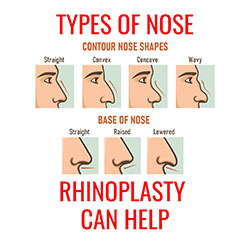
When it comes to the aesthetic imperfections of the nose, the most commonly reported concerns are size, shape, straightness, and overall elegance. In addition to these, there are many other reasons why people choose to have rhinoplasty. Cosmetic nasal surgery is one of the more difficult surgical procedures that one can have on the face. For one thing, the nose is a central feature of the face and flaws are more noticeable and harder to conceal than other imperfections. Equally important, rhinoplasty itself is difficult because it requires an understanding of how the external appearance will change given modifications of the internal bone and cartilage framework.
Functional vs. Cosmetic Rhinoplasty: What’s the Difference?

Plastic surgery on the nose, or rhinoplasty, may be performed to improve the size/shape/elegance of the nose or to improve breathing…OR both.
Can I Get My Favorite Celebrity’s Nose With A Rhinoplasty?

Many people assume that celebrities get exclusive nose jobs that deliver them better outcomes than the rest of us. Patients often visit surgeons who specialize in cosmetic surgery with photographs of celebrities and say things like, “I want a tip just like hers”, or “This is the nose that I want”.
Correcting Supratip or pollybeak deformity with Rhinoplasty

The ideal contour of the nasal bridge, when viewed from the side, is either straight (particularly in men) or straight with a slight upturn at the tip (particularly in women). If the area just above the tip (the supra tip region) projects slightly more than the tip, then the pollybeak deformity or supratip deformity occurs and the nose does not appear attractive in profile. This terminology is frequently used when referring to a nose that has already undergone a rhinoplasty and the supratip area remains too high, resulting in a convexity to the bridge and/or the appearance of a plunging tip. See below and find out how Rhinoplasty corrects a supratip nose deformity.